
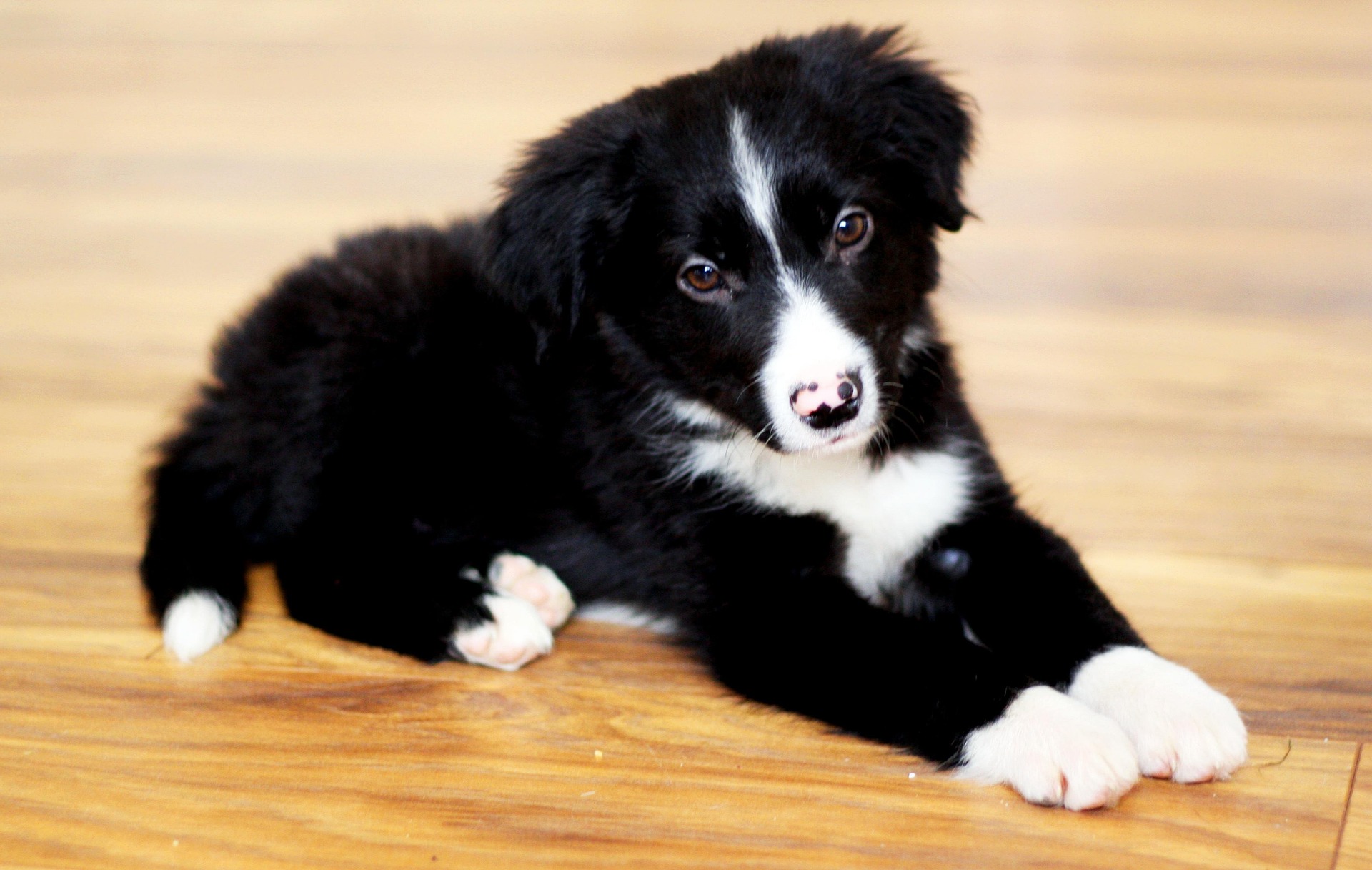
Spring allergies affect many pets in Port Coquitlam, causing discomfort that impacts quality of life. At Tricity Animal Hospital, we help pet owners recognize allergy signs and understand when professional evaluation becomes important. Spring’s increasing pollen and changing environmental factors trigger allergic responses in susceptible pets. Recognizing signs early enables timely care reducing discomfort duration. Our pet allergy assessment in Port Coquitlam helps Tri-Cities pet owners support allergic pets. Understanding allergy indicators helps you seek appropriate supportive care when your pet needs assistance.
Physical Signs of Spring Allergies in Pets
Spring allergies manifest through various physical indicators. Excessive itching, particularly of the face, ears, paws, and belly, frequently indicates allergic responses. Skin redness or inflammation develops in affected areas. Some pets experience hair loss from persistent scratching and licking. Ear signs are common, with affected pets shaking heads or scratching at ears repeatedly. Facial puffiness or swollen eyes sometimes develop. Localized hot spots where constant licking creates wet, inflamed patches of skin occasionally form. Nasal discharge or sneezing may occur in pets experiencing respiratory allergies. Watery eyes develop in some allergic pets. These physical signs often become apparent within days of pollen season beginning. At Tricity Animal Hospital near Traboulay PoCo Trail, we evaluate pets presenting with spring allergy physical signs. Early recognition enables spring allergy care in Port Coquitlam, preventing progression to secondary complications.
Behavioral and Lifestyle Changes
Beyond physical signs, allergies often cause behavioral changes. Affected pets become restless, struggling to find comfortable positions for rest. Some pets show decreased interest in activities they normally enjoy, becoming withdrawn or lethargic. Appetite changes sometimes accompany allergies, with affected pets eating less. Sleep disruption occurs due to itching preventing peaceful rest. Vocalization changes, including excessive whining or vocalizations indicating discomfort, may develop. Pets may isolate themselves from family activities. Training regression, like house training accidents, occasionally occurs due to distress. Behavioral changes correlate with physical discomfort, indicating underlying allergic responses affecting overall wellbeing. These behavioral shifts help veterinarians recognize allergies even without obvious physical signs. At Port Coquitlam’s Tricity Animal Hospital, we ask detailed behavioral questions during consultations. Understanding behavioral changes helps us provide pet skin evaluation in Port Coquitlam.
Respiratory and Gastrointestinal Signs
While less common than skin signs, respiratory allergies warrant attention. Coughing, sneezing, or nasal discharge may develop seasonally. Wheezing or difficulty breathing requires immediate professional evaluation. Some pets experience gastrointestinal signs alongside respiratory symptoms. Increased stool frequency, diarrhea, or vomiting may accompany spring allergies. Nausea affecting appetite sometimes occurs. Gastrointestinal signs may indicate food allergies exacerbated by stress or worsened by pollen exposure. Pets experiencing multiple sign categories warrant comprehensive professional evaluation. At Tricity Animal Hospital, we assess all sign categories to understand your pet’s allergy profile. We provide comprehensive allergy evaluation and supportive care planning addressing identified issues with holistic pet wellness in Port Coquitlam.
Timeline for Seeking Professional Evaluation
Most spring allergy signs develop gradually and do not constitute emergencies, but certain situations warrant prompt evaluation. Severe facial swelling affecting breathing or eating requires immediate assessment. Difficulty breathing demands professional attention. Signs lasting more than one week despite home care attempts warrant veterinary evaluation. If your pet is unable to eat or drink due to allergy signs, professional help becomes essential. Multiple sign categories occurring simultaneously suggest professional assessment is needed. Extreme behavioral changes or signs of severe discomfort warrant evaluation. Many allergy signs can be managed effectively with appropriate supportive care, but professional guidance identifies best approaches for your individual pet. At Tricity Animal Hospital near Gates Park, we recommend scheduling spring wellness visits early in the season for baseline assessments. Early assessment enables recognition of allergy changes when they develop. We emphasize allergy support and management in Port Coquitlam supporting your pet’s spring comfort.
Frequently Asked Questions
How can I distinguish spring allergies from other skin conditions?
Spring allergies typically worsen with seasonal pollen increases. Other conditions may persist year-round. Professional evaluation helps distinguish between causes.
Are certain pets more prone to spring allergies?
Some breeds have higher allergy predisposition, but any pet can develop spring allergies. Previous allergic responses increase future risk.
What supportive care options help reduce spring allergy signs?
Environmental management, dietary adjustments, supplements, and professional assessment all contribute to helping allergic pets feel more comfortable.
Can I give my pet over-the-counter allergy help without veterinary consultation?
Before using any over-the-counter products, consult your veterinarian. Some products may be inappropriate for your pet’s situation or may mask signs requiring professional attention.
How long do spring allergies typically last?
Duration depends on local pollen seasons. Port Coquitlam allergies typically last from March through June, though timing varies.
Can diet help manage spring allergy signs?
Proper nutrition supports immune health. Omega-3 fatty acids and high-quality nutrition help maintain skin health and support natural defenses.
If your Port Coquitlam pet shows spring allergy signs, contact Tricity Animal Hospital at (604) 942-2225 for assessment and supportive care options.
Published by the team at Tricity Animal Hospital.
This article is for general educational purposes only and does not constitute veterinary advice. Always consult a licensed veterinarian before making decisions about your pet’s health. If you have concerns, contact Tricity Animal Hospital at (604) 942-2225.