
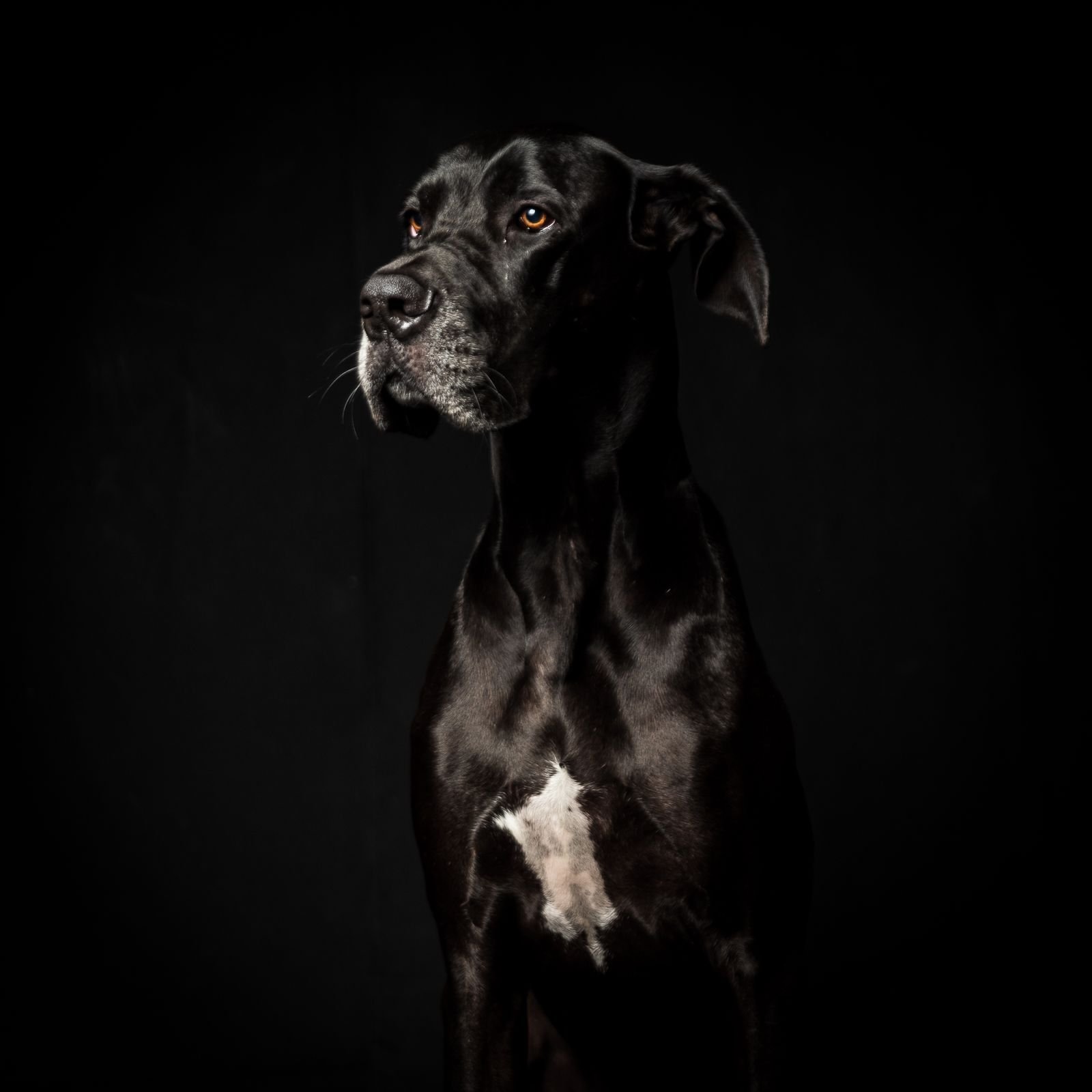
Bloat, or gastric dilatation-volvulus (GDV), happens when a dog’s stomach fills with gas and can twist on itself, cutting off blood flow. It is a true emergency measured in hours. If your dog is retching without bringing anything up and has a swollen, tight belly, call your veterinarian or the nearest emergency animal hospital right away.
What bloat actually is, in plain language
Bloat starts when a dog’s stomach fills with gas and stretches like a balloon. In the most dangerous form, called gastric dilatation-volvulus or GDV, the swollen stomach then rotates on itself. That twist traps the gas inside, pinches off the blood supply to the stomach wall, and presses on the large vessels that return blood to the heart. The whole body is affected very quickly, not just the belly.
Because the twisted stomach is sealed at both ends, the dog cannot burp or vomit the pressure away, and the problem cannot resolve on its own. This is why bloat is treated so differently from an ordinary upset stomach. A dog with simple indigestion is uncomfortable; a dog with GDV is in a race against the clock and needs professional urgent care without delay.
Why bloat is an emergency measured in hours
With most health worries, waiting until morning to phone the clinic is a reasonable choice. Bloat is the opposite. Once the stomach twists, the tissue begins losing its blood supply right away, and the longer it goes without treatment, the more damage is done. Veterinarians think of GDV in hours, not days, and every one of those hours matters.
Treating GDV involves stabilizing the dog, relieving the pressure, and correcting the twist, which is done through emergency surgery in a fully equipped hospital. That is why the single most useful thing an owner can do is recognize the signs early and get moving. A dog who arrives sooner gives the veterinary team the best possible chance to help.
Which dogs face a higher risk
Any dog can bloat, but the condition is seen most often in large and giant breeds with deep, narrow chests. Great Danes are the classic example, and German Shepherds and Standard Poodles are also well known for it. The shape of a deep chest simply gives the stomach more room to swing and twist than a broad, shallow one does.
Age plays a part as well, with older dogs generally at higher risk than young ones. Dogs whose close relatives have bloated may also be more likely to bloat themselves. If your dog fits any of these descriptions, it is worth raising the topic at your next visit; our wellness program checkups are a natural time to talk through your dog’s individual risk and daily routine.
Warning signs to watch for
The most telling sign is unproductive retching: your dog heaves and strains as if to vomit, but nothing comes up except perhaps a little foam. Alongside this you may notice a swollen belly that feels tight like a drum, especially behind the ribs. Many dogs also drool heavily, pace the house, and cannot seem to settle or lie down comfortably.
As the condition worsens, a dog may stand with an arched back, breathe rapidly, show pale gums, grow weak, or collapse. You do not need to see every sign to act. Unproductive retching plus a tense, swelling belly in any dog, and particularly in a large deep-chested breed, is enough reason to treat the situation as an emergency and pick up the phone.
Sensible habits that may lower the risk
No routine can remove the risk of bloat entirely, but a few habits are widely recommended. Feed two or more smaller meals through the day rather than one large one. If your dog inhales food in seconds, slow things down with a slow-feeder bowl, a puzzle feeder, or food scattered on a mat, so less air is gulped along with the meal.
It also makes sense to build calm time around mealtimes. Let your dog rest for a while after eating before heading out for hard play or a run, and avoid feeding a dog who is still panting and wound up from vigorous exercise. For dogs at especially high risk, there are also preventive surgical options; our surgical services team can explain whether that conversation is relevant for your dog.
What to do the moment you suspect bloat
If you suspect bloat, call your veterinarian or the nearest emergency animal hospital right away and tell them you are coming. Do not wait to see whether your dog improves, do not try home remedies, and do not offer food or water. Phoning ahead lets the team prepare, and confirming GDV requires an examination and pet diagnostics such as imaging that can only happen in a hospital.
Bloat does not keep business hours, and evenings and weekends are exactly when it often strikes. Our doctor is on duty Monday to Friday from 10 AM to 6 PM and Saturday from 10 AM to 5 PM, so if you are anywhere in Port Coquitlam, Coquitlam, or Port Moody outside those times, go straight to the nearest open emergency animal hospital. The destination matters far less than how quickly you get there.
Frequently asked questions
Can bloat go away on its own?
No. Once the stomach twists it cannot untwist by itself, and the pressure and loss of blood flow only worsen with time. A dog with suspected bloat needs veterinary care immediately, not watchful waiting at home.
What does unproductive retching look like?
It looks like your dog is trying hard to vomit but bringing nothing up, apart from perhaps a small amount of foam or saliva. Repeated heaving with no result, especially with a swelling belly, is a classic bloat warning sign.
Which dogs are most at risk of bloat?
Large and giant deep-chested breeds such as Great Danes, German Shepherds, and Standard Poodles are the most commonly affected, and risk rises with age. That said, any dog of any size can bloat, so every owner should know the signs.
Should I wait and see if my dog improves before calling?
No. With bloat, waiting is the most dangerous choice you can make, because damage builds by the hour. Call your veterinarian or the nearest emergency animal hospital the moment you suspect it, even if you are not certain.
Can I completely prevent bloat in my dog?
No habit removes the risk entirely, but smaller meals, slowing fast eaters, and resting your dog around mealtimes are sensible steps. For high-risk breeds, ask your veterinary team whether a preventive surgical discussion makes sense for your dog.