
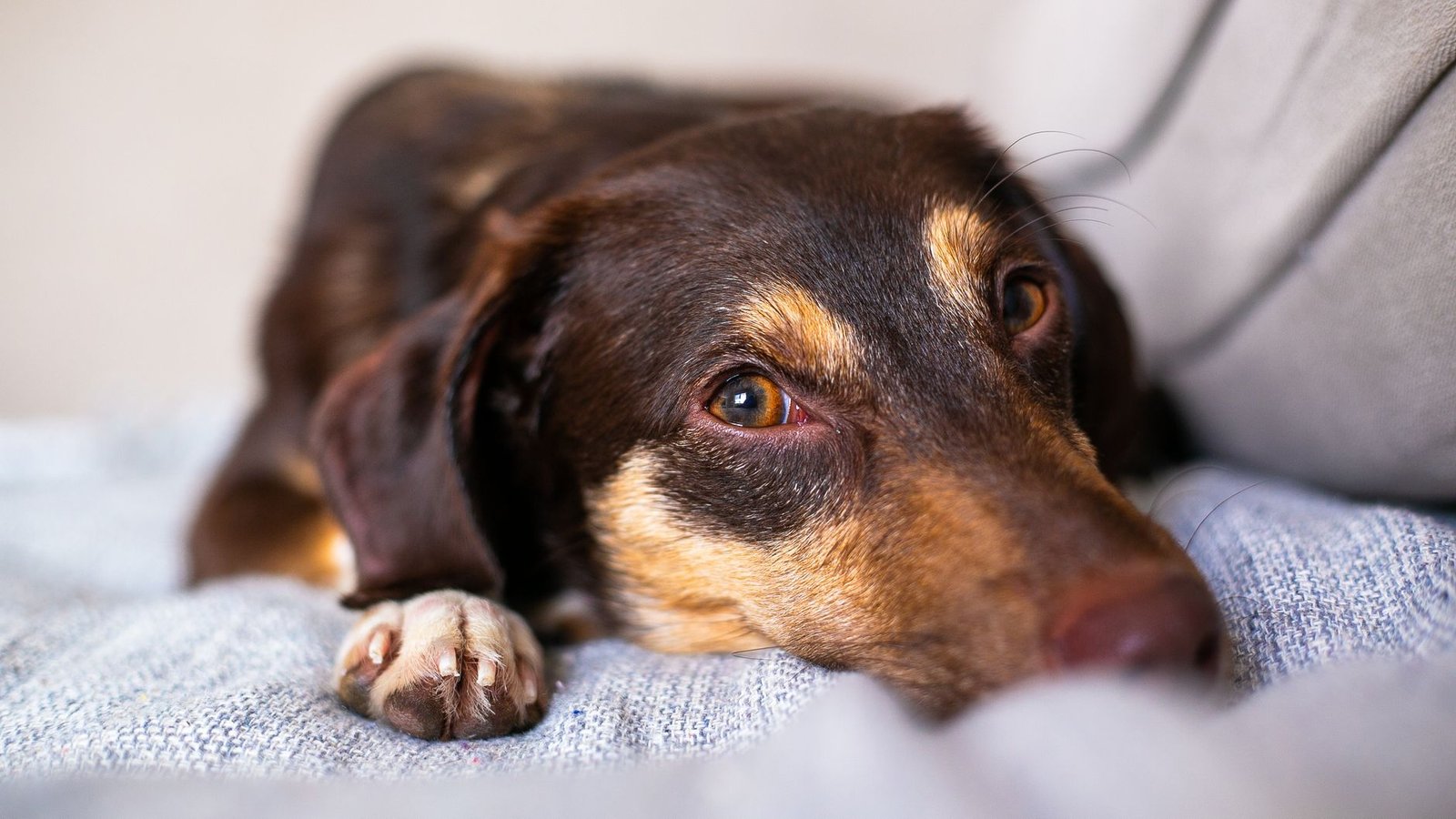
Pancreatitis is a painful inflammation of the pancreas that can flare up when Coquitlam dogs and cats eat fatty summer foods like BBQ scraps and table leftovers. Watch for vomiting, belly pain, and lethargy. It can become serious quickly, so early care matters. This guide from Tricity Animal Hospital explains the warning signs, the risks, and simple ways to keep your pet safe.
What Is Pancreatitis, and Why Does Summer Make It Worse?
The pancreas is a small organ that helps your pet digest food and regulate blood sugar. When it becomes inflamed, digestive enzymes that normally activate in the intestine start working too early, irritating the pancreas and nearby tissue. That inflammation is what we call pancreatitis, and it can range from a mild, uncomfortable episode to a severe, life-threatening illness.
Summer in the Tri-Cities brings backyard barbecues, patio dinners, camping trips, and plenty of high-fat human food within reach of a hopeful dog or a curious cat. A single greasy meal, a plate of ribs, a handful of sausage, or a scoop of ice cream can be enough to set off an episode in some pets. Fatty foods are one of the most common triggers we see, which is why the warmer months tend to bring more cases through the doors of clinics across Coquitlam and Port Coquitlam.
Common Summer Foods That Can Trigger Pancreatitis
Not every rich food causes trouble every time, but the following are frequent culprits, and they show up often at summer gatherings. It helps to think of these as off-limits for pets:
- BBQ scraps such as fatty meat trimmings, burnt ends, and skin from chicken or pork
- Sausages, hot dogs, bacon, and other greasy processed meats
- Buttery corn, garlic bread, and dishes cooked in oil or drippings
- Bones and gristle tossed to a begging pet at the picnic table
- Ice cream, whipped cream, and other rich dairy treats
- Table scraps in general, especially anything soaked in grease or fat
Certain pets are more vulnerable than others. Overweight dogs and cats, older pets, some breeds, and animals that have had a previous episode all carry a higher risk. If your pet has ever had pancreatitis, even a small amount of fatty food can bring it back, so it is worth being extra careful at summer events.
Warning Signs to Watch For in Dogs and Cats
Pancreatitis can look different in dogs than in cats, and cats in particular are experts at hiding illness. In dogs, the signs are often more obvious. In cats, you may simply notice a pet who seems off, is quieter than usual, or stops eating. Contact your veterinary team if you notice any of the following:
- Repeated vomiting or retching
- Belly pain, which may show up as a hunched posture, restlessness, or the classic “praying” stretch with the chest down and rear up
- Lethargy, weakness, or unusual quietness
- Loss of appetite or refusing food entirely
- Diarrhea and dehydration
- Fever or a bloated, tender abdomen
Because these signs overlap with many other conditions, from a simple upset stomach to something more urgent, it is not something to diagnose at home. A prompt exam and testing give your pet the best chance at a smooth recovery. Our team offers pet diagnostics that help pinpoint what is going on, including bloodwork and imaging when needed.
Why Pancreatitis Is Serious
Pancreatitis is not just a bad stomach ache. In more severe cases, the inflammation can affect other organs, cause significant dehydration, and lead to complications that require hospital care and supportive treatment. Pets can become very ill in a short window of time, especially small dogs, seniors, and cats whose symptoms are subtle until they are quite sick.
The good news is that many pets recover well when the condition is caught early and managed properly. Treatment usually focuses on rest for the pancreas, fluids, pain control, anti-nausea support, and careful reintroduction of an appropriate diet. That is why we always encourage Coquitlam pet owners to reach out early rather than waiting to see if things improve on their own. Our medical services team can assess your pet, start treatment, and guide you through recovery.
How to Prevent Pancreatitis This Summer in Coquitlam
Prevention is far easier than treatment, and most summer cases are avoidable with a few simple habits. Keeping your dog or cat on a consistent, appropriate diet is one of the most protective things you can do all year, but it matters even more during barbecue season in the Tri-Cities.
- Keep pets away from the grill, picnic table, and garbage where fatty scraps collect
- Ask guests not to feed your pet, and set out pet-safe treats instead so everyone can join the fun
- Secure the trash and any coolers so a determined dog cannot help itself
- Skip the “just this once” table scraps, since a single rich meal can be enough to trigger an episode
- Maintain a healthy weight, since overweight pets are at greater risk
- Introduce any diet changes gradually rather than all at once
If you are unsure what treats are safe or how to manage your pet’s weight, our nutrition counseling can help you build a plan that fits your dog or cat. A little guidance now can prevent a stressful emergency later.
What to Do If You Suspect Pancreatitis
If your pet is vomiting repeatedly, seems painful, or has stopped eating, do not wait it out. Please call Tricity Animal Hospital before coming in so our team can advise you and confirm that a doctor is available, since our on-duty doctor hours are narrower than our open hours and there are times when a veterinarian may not be in the building. If no doctor is available when your pet needs care, go straight to the nearest emergency veterinary hospital. For time-sensitive concerns during our regular schedule, our urgent care team is here to help dogs and cats across Coquitlam, Port Coquitlam, and Port Moody.
Summer should be a season of long walks, sunny patios, and time outdoors with your pet, not a trip to the animal hospital. By keeping fatty foods out of reach and knowing the warning signs, you can help your dog or cat enjoy the season safely.
Frequently Asked Questions
Can one piece of fatty food really cause pancreatitis?
Yes, in some pets a single high-fat meal can be enough to trigger an episode. Dogs and cats that are overweight, older, or have had pancreatitis before are especially sensitive, so it is safest to avoid BBQ scraps and greasy table food entirely.
What are the first signs of pancreatitis in dogs and cats?
The earliest signs are often vomiting, belly pain, lethargy, and loss of appetite. Dogs may hunch or take a “praying” stretch, while cats often just seem quiet, withdrawn, or stop eating. If you notice these signs, contact your veterinary team promptly.
Is pancreatitis an emergency?
It can be. Mild cases may improve with early care, but severe cases can become life-threatening quickly. If your pet is very unwell, call Tricity Animal Hospital first to confirm a doctor is available, and if not, head to the nearest emergency hospital right away.
How can I keep my pet safe at summer barbecues in Coquitlam?
Keep pets away from the grill, table, and trash, ask guests not to share food, and offer pet-safe treats instead. Maintaining a healthy weight and a consistent diet year-round also lowers your dog or cat’s risk of pancreatitis.